updated: 2/23/2026
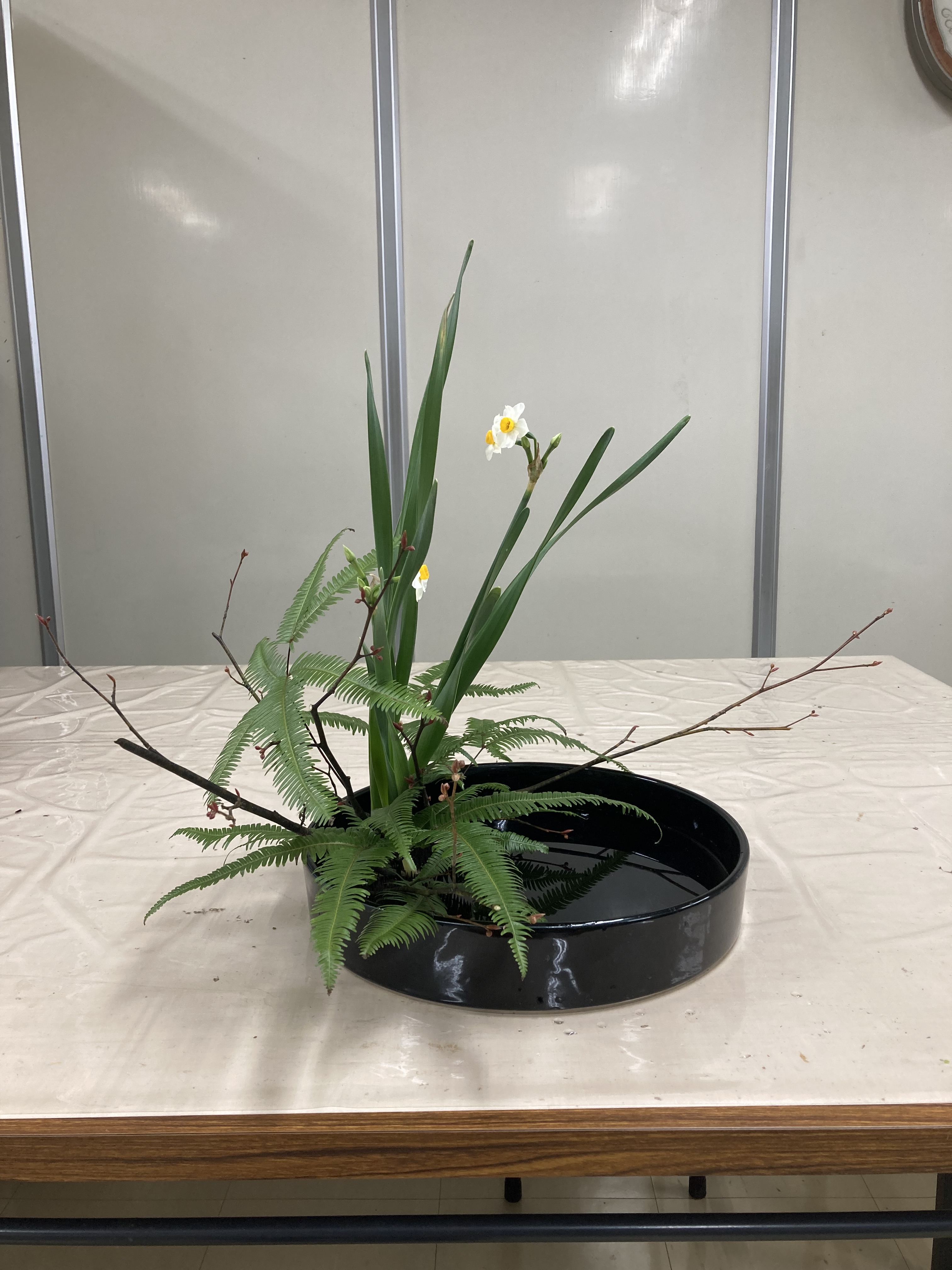
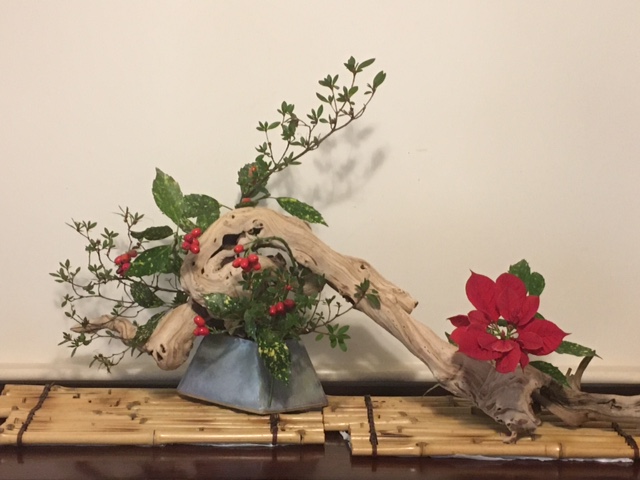
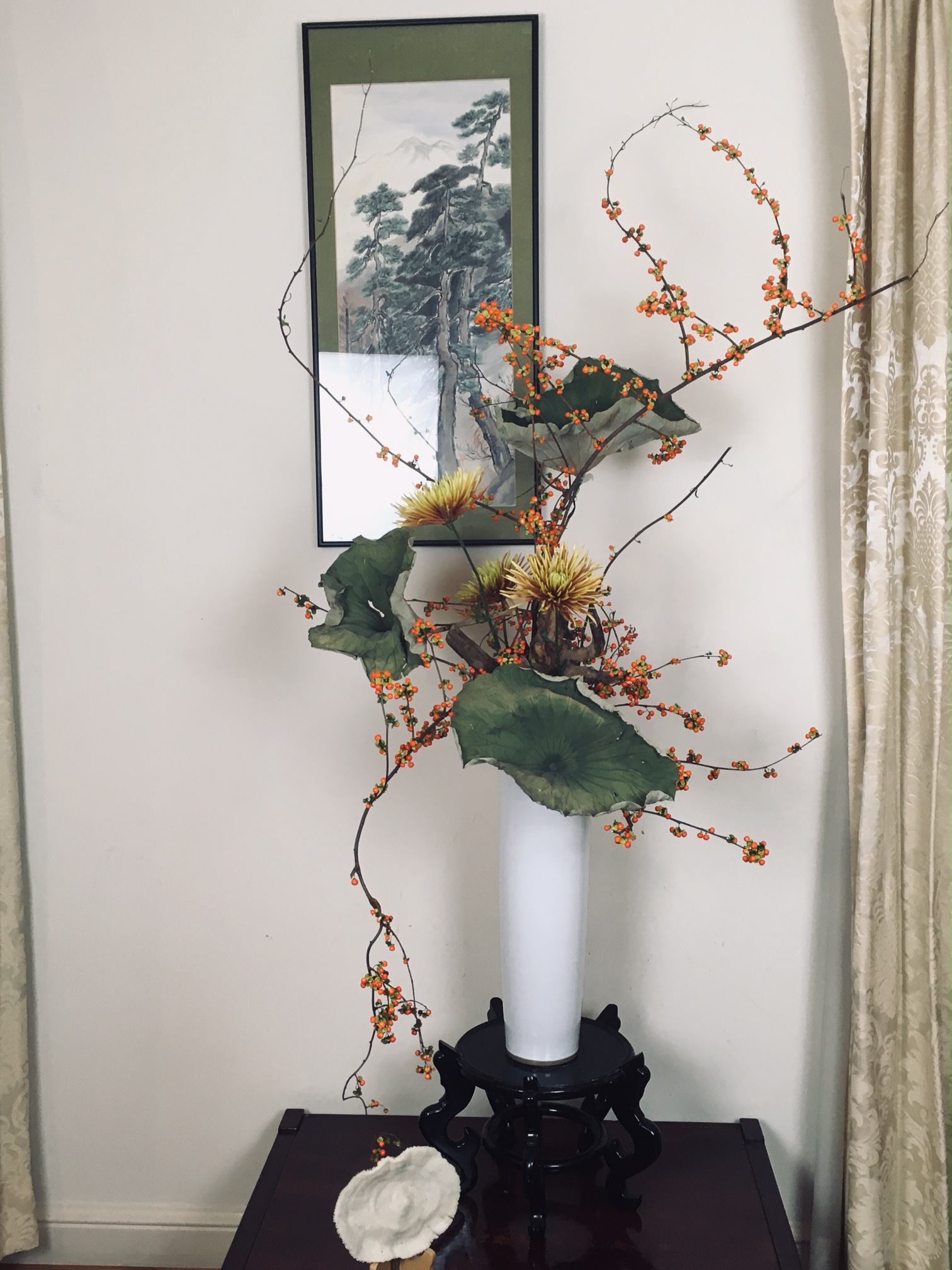
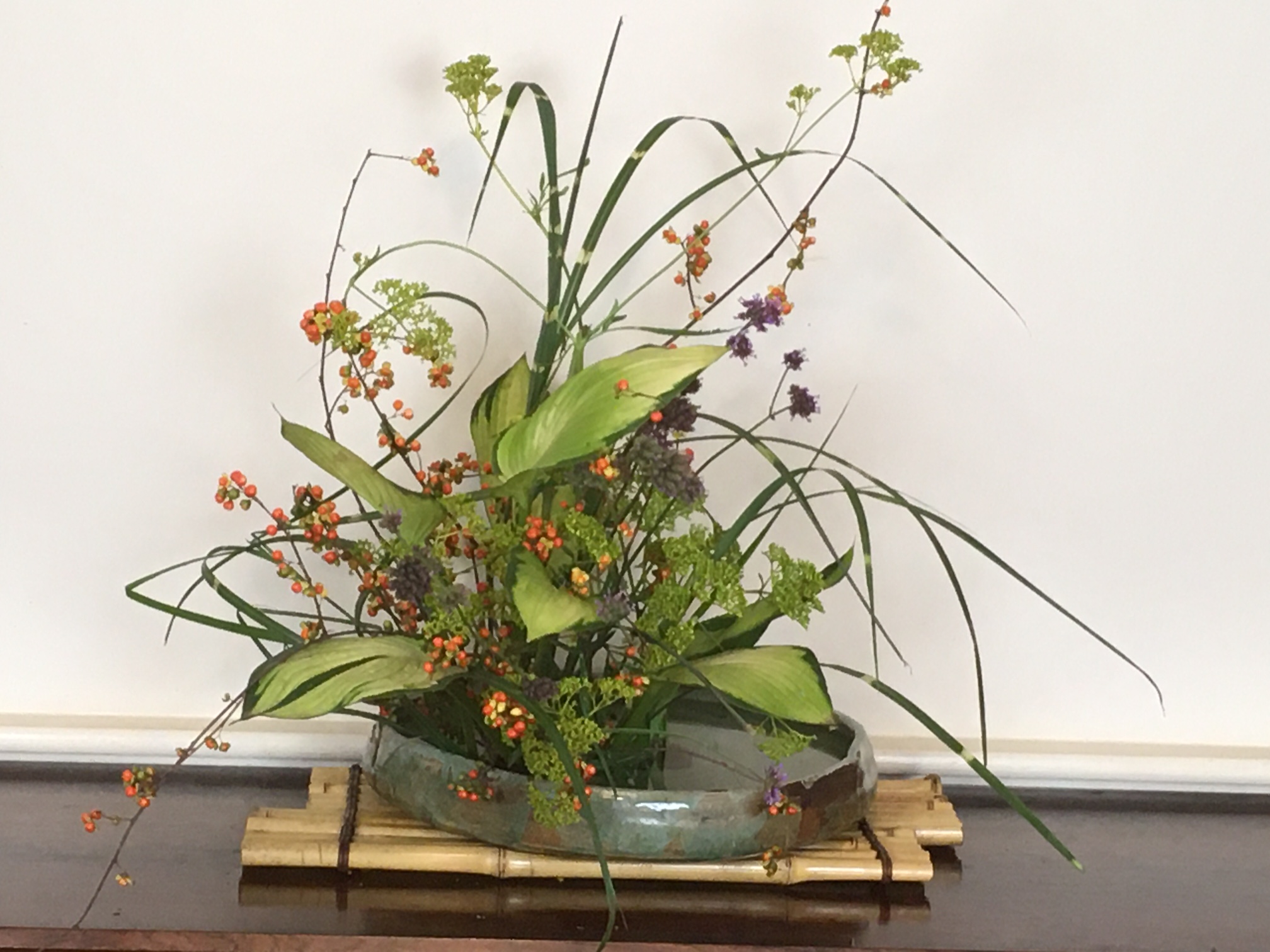
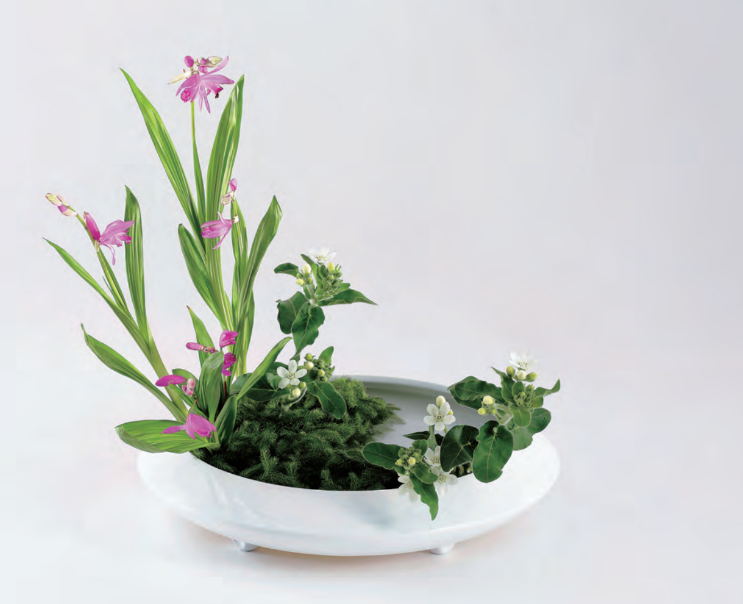
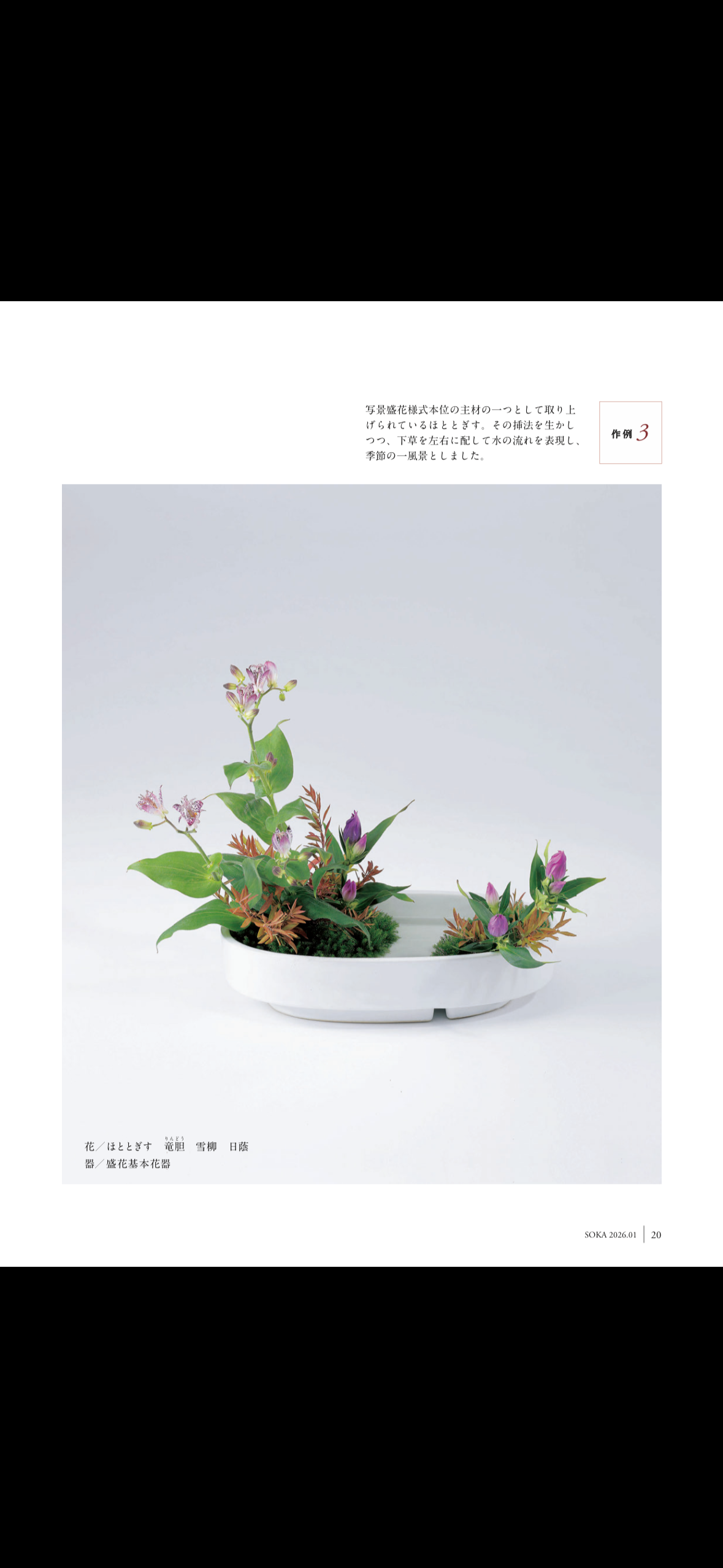
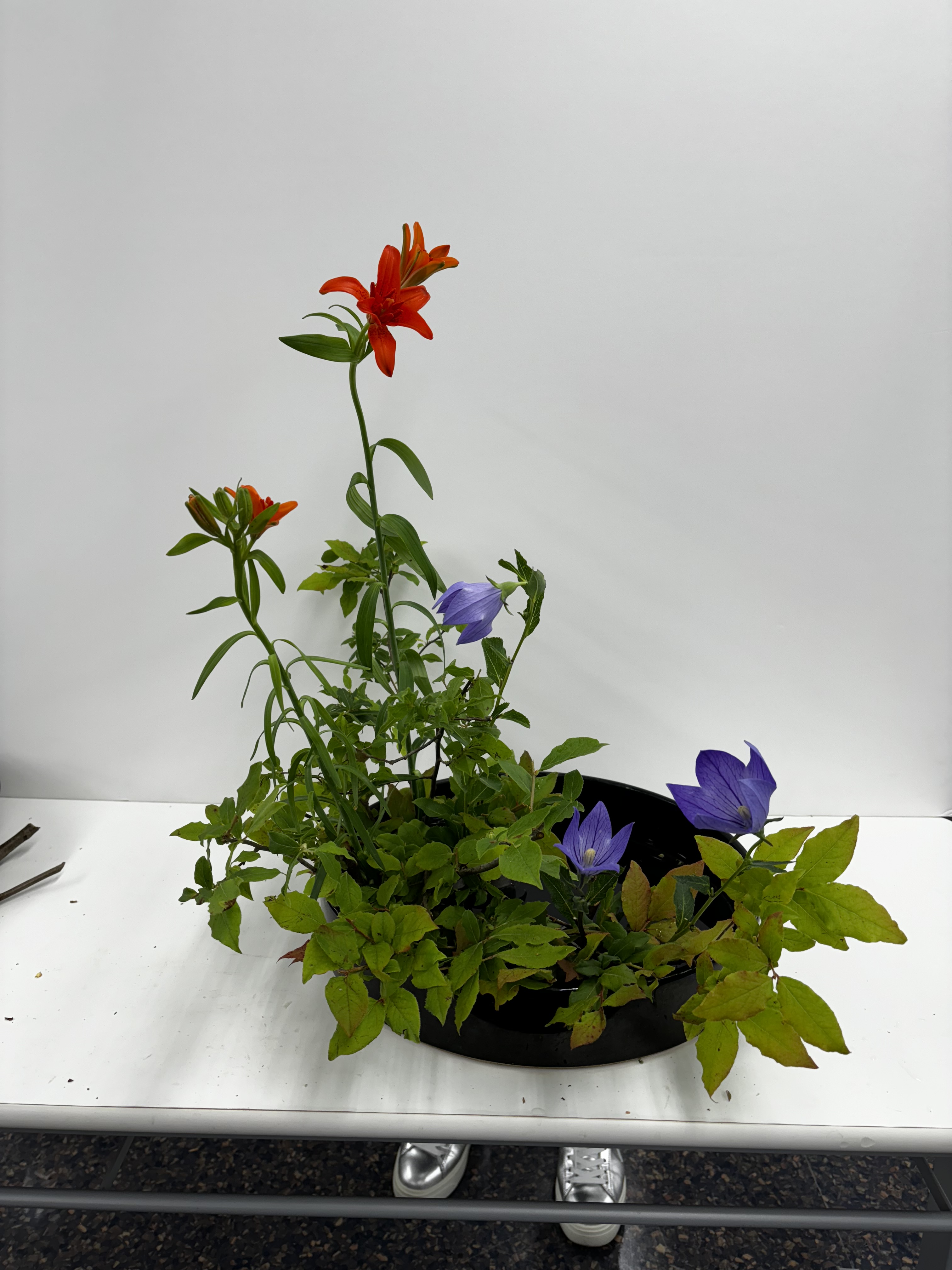
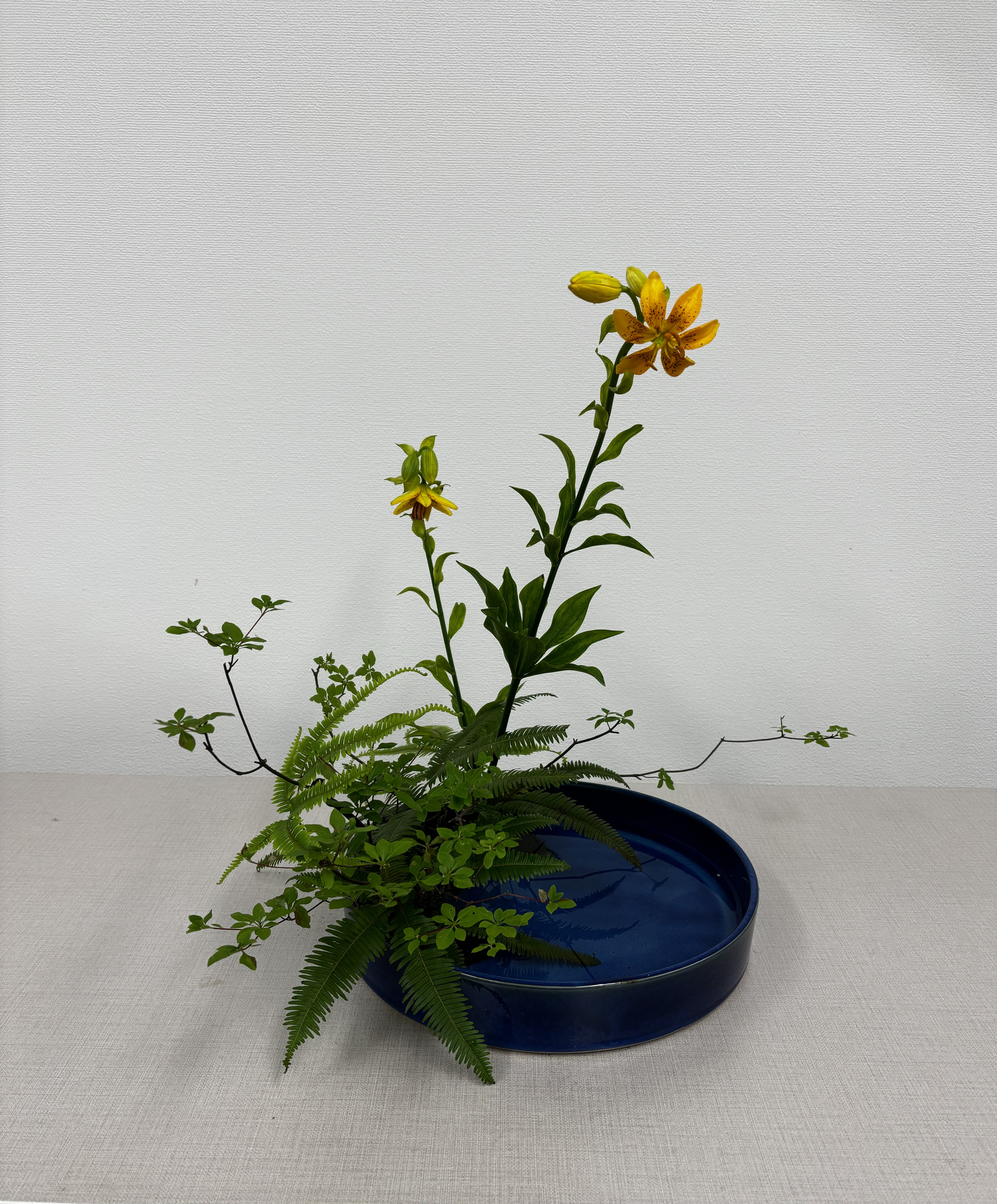
Welcome to the Washington DC Ohara School of Japanese Flower Arranging (Ikebana)!
What is Ikebana?
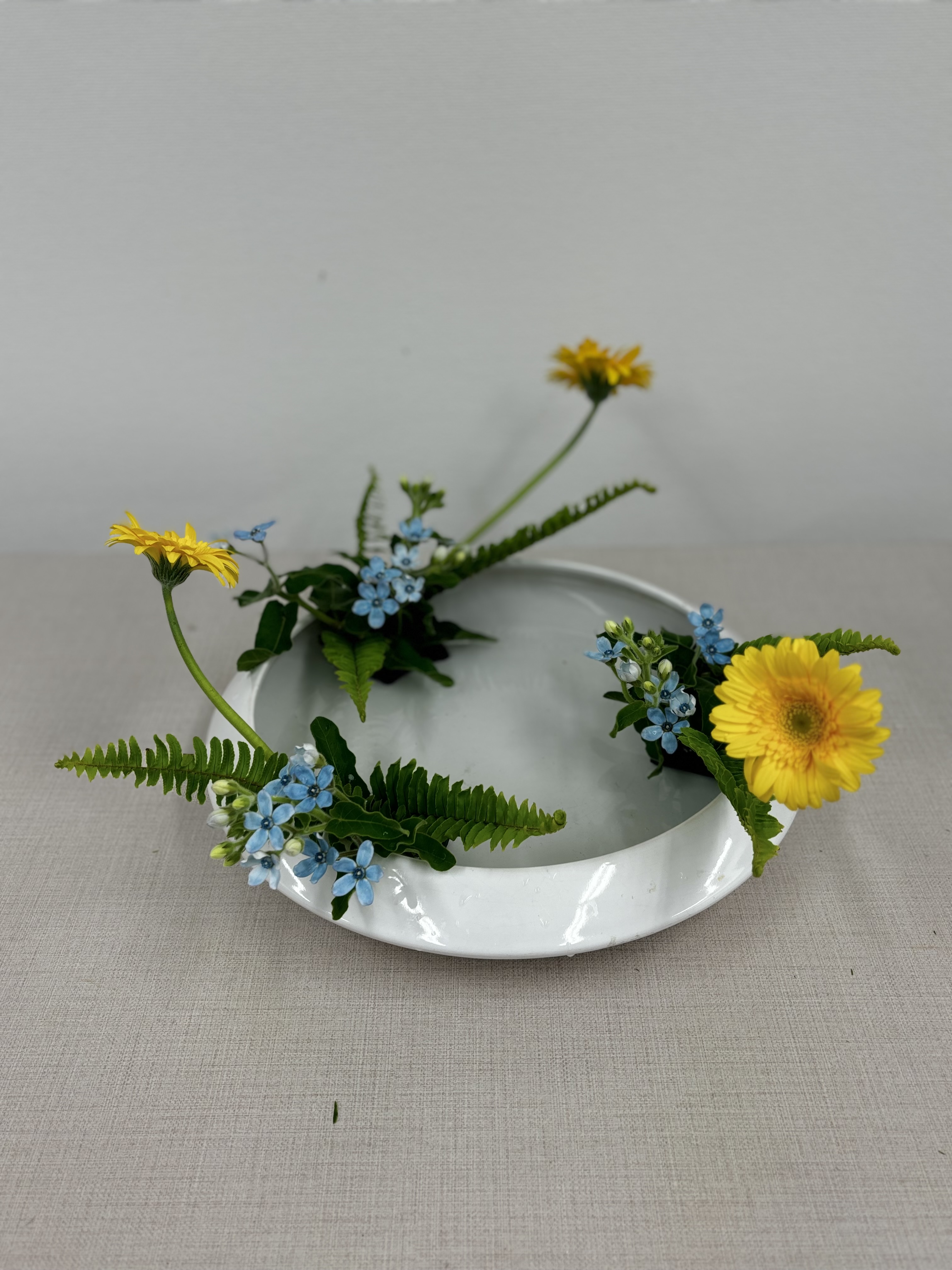
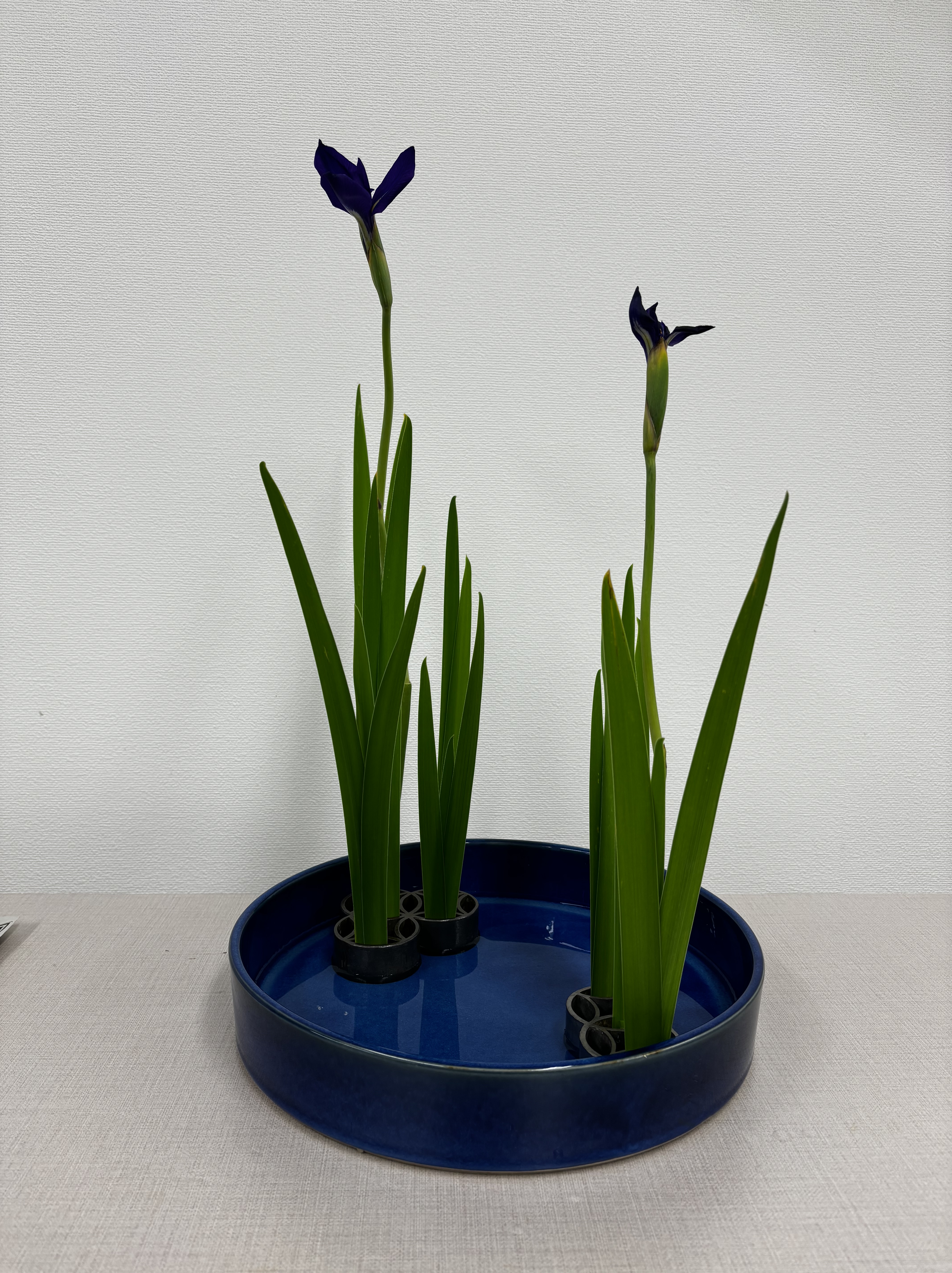
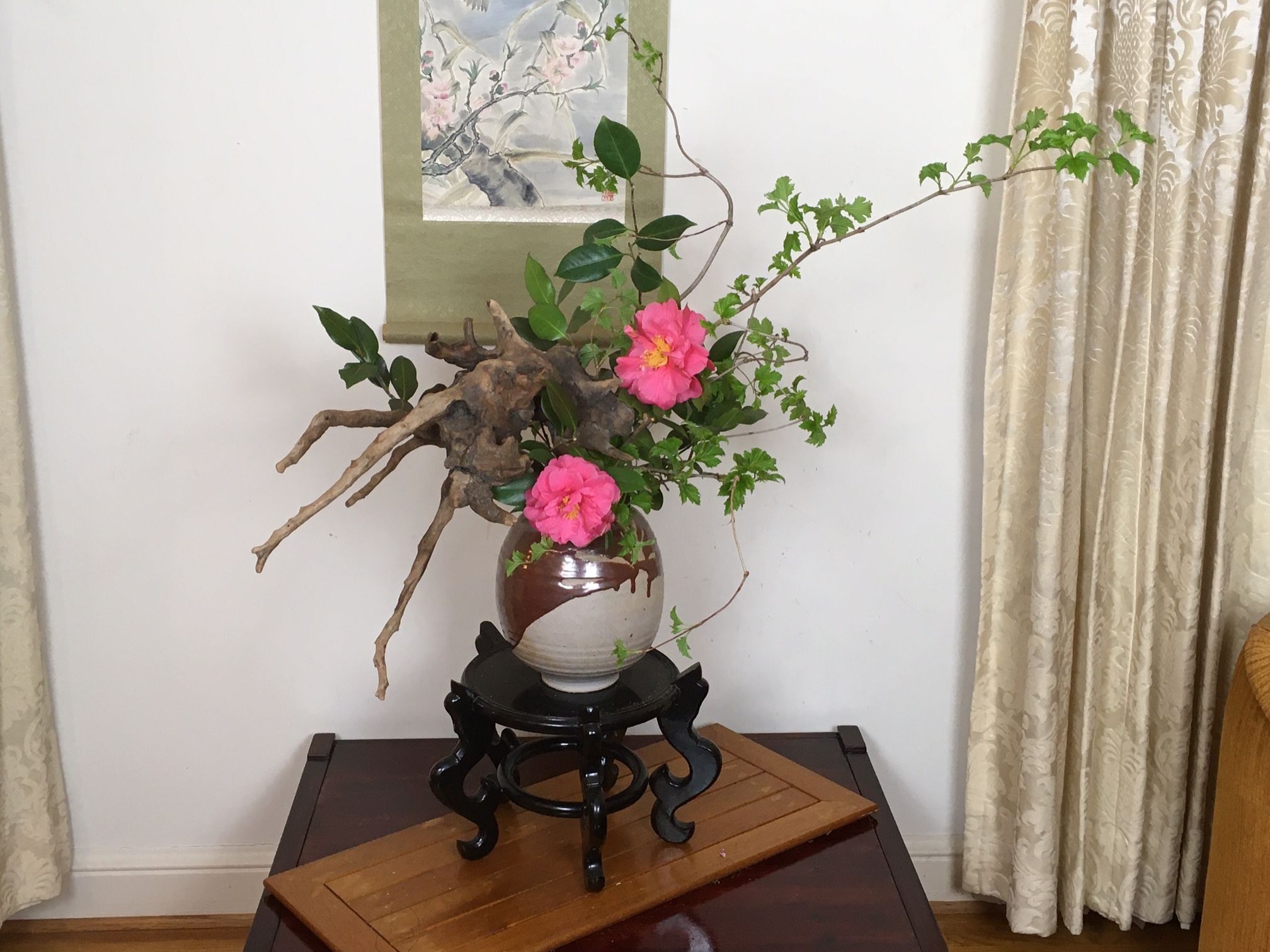
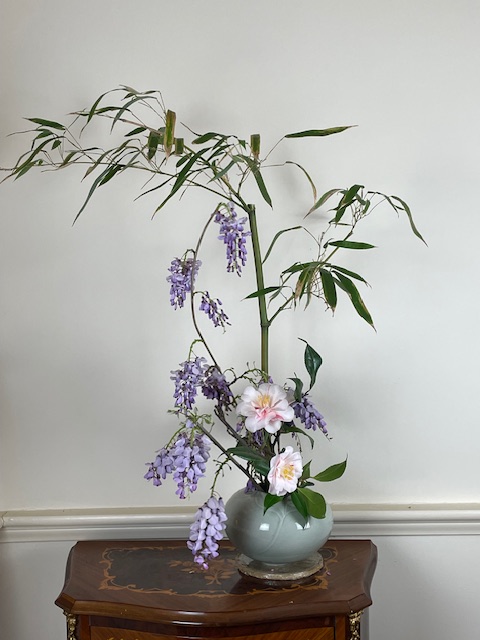
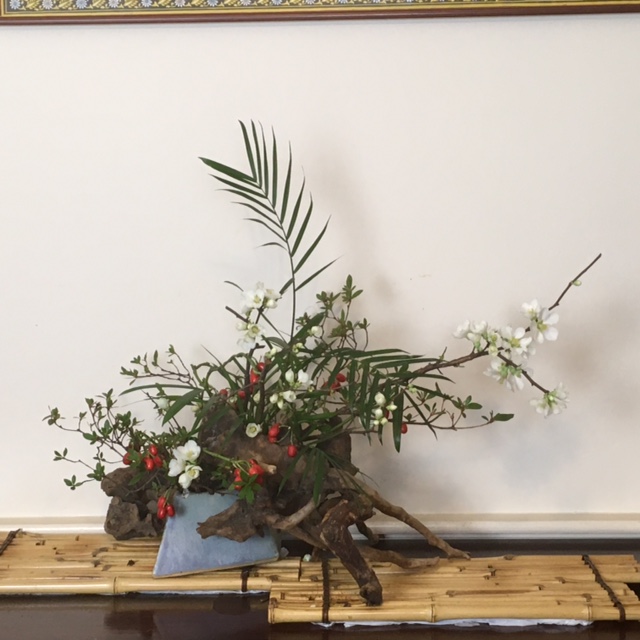
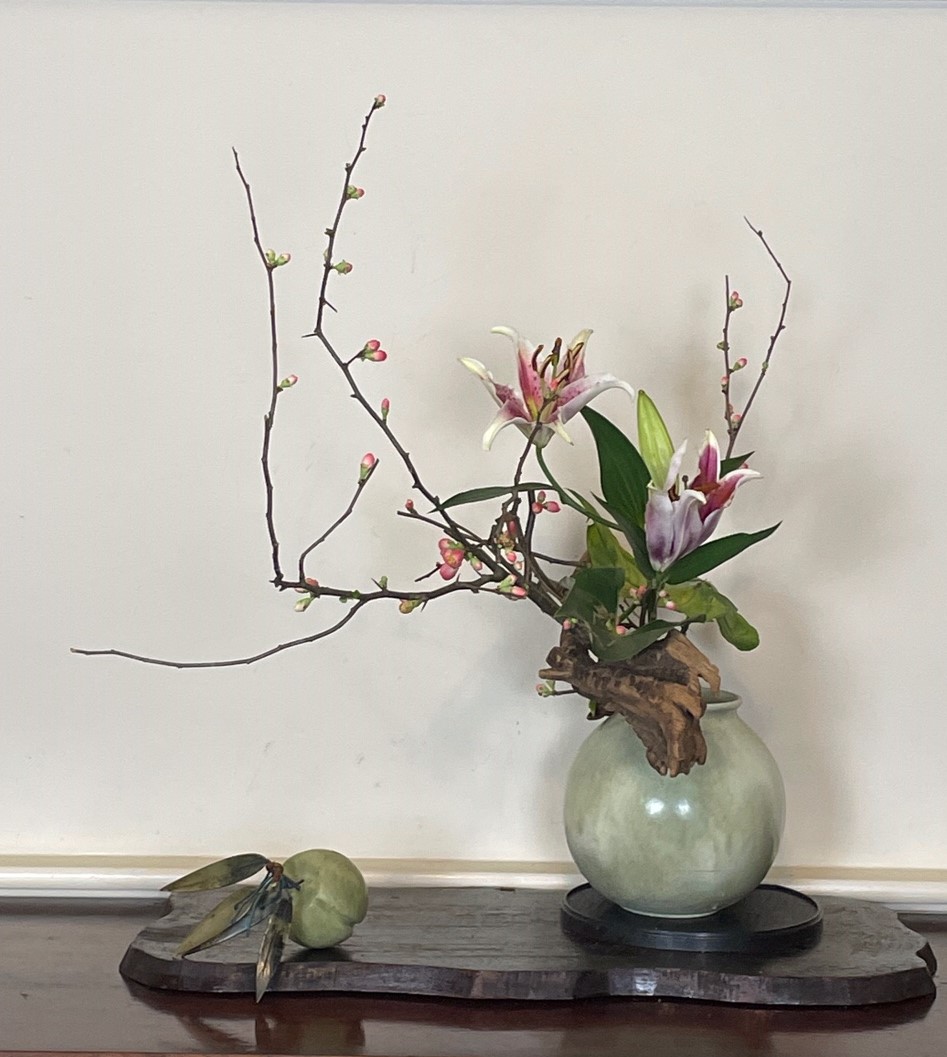
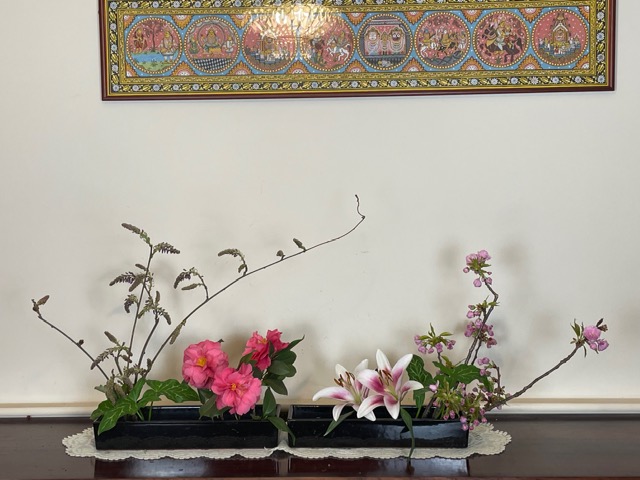
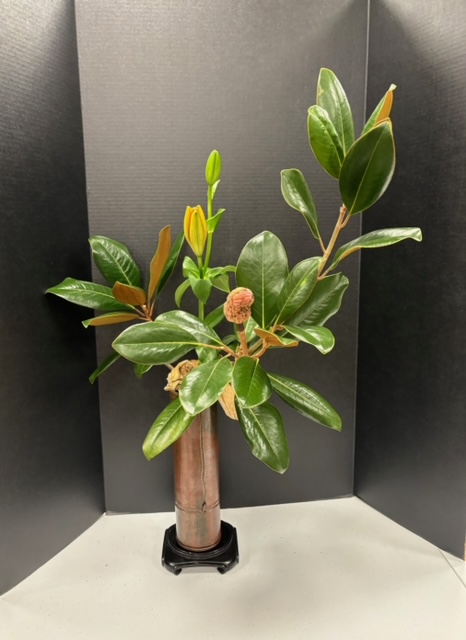
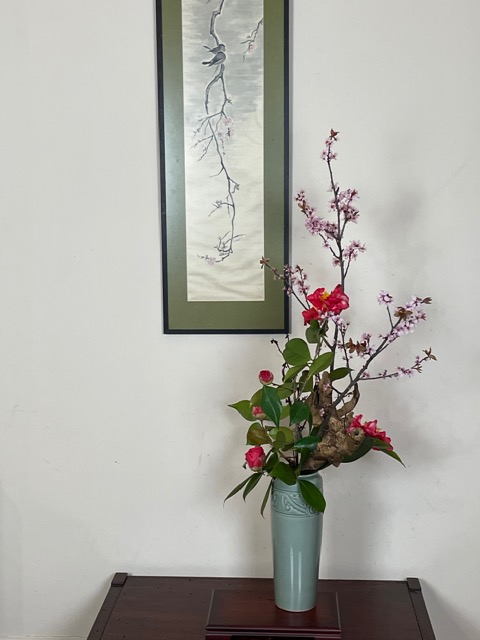
Ikebana is the art of appreciating nature through the arrangement of cut flowers, plants and branches. The tradition is over 600 years old and is ever evolving new ways to capture the natural beauty of the world around us in a small setting, such as a pottery container, that can be enjoyed indoors. In its drive to capture the transcendence of the natural world, Ikebana also seeks to incorporate the geographic diversity of our planet, the interplay between high mountains and the sea, and the ever changing seasons. At its most basic Ikebana is a display of cut flowers in a small container. However, despite the simplicity of the medium, Ikebana has developed over the centuries into a highly refined system of capturing the fullness and beauty of nature in a microcosm; and has branched into multiple schools each with a their own approach and structure of capturing the elements of nature (From the Mayu Ikebana Studio, 2022).
Interestingly enough, Ikebana was also deeply influenced by the spread of Buddhism across Japan during the Asuka and Nara periods spanning 552-794 AD. Although Buddhist floral offerings were religious in nature and not decorative, the form in which temple offerings were made had great impact on the approach used by Ikebana for the presentation of plant elements. In fact the basic Buddhist triad image of a large Buddha flanked by two smaller ones was mirrored in the “three branch style” followed by all Ikebana schools. Eventually, the three-branch, asymmetrical scalene triangle became the basic form underlying the styles of most schools both classical and modern (From “Ikebana for Everybody,” Hiroki Ohara 2015).
Ohara History
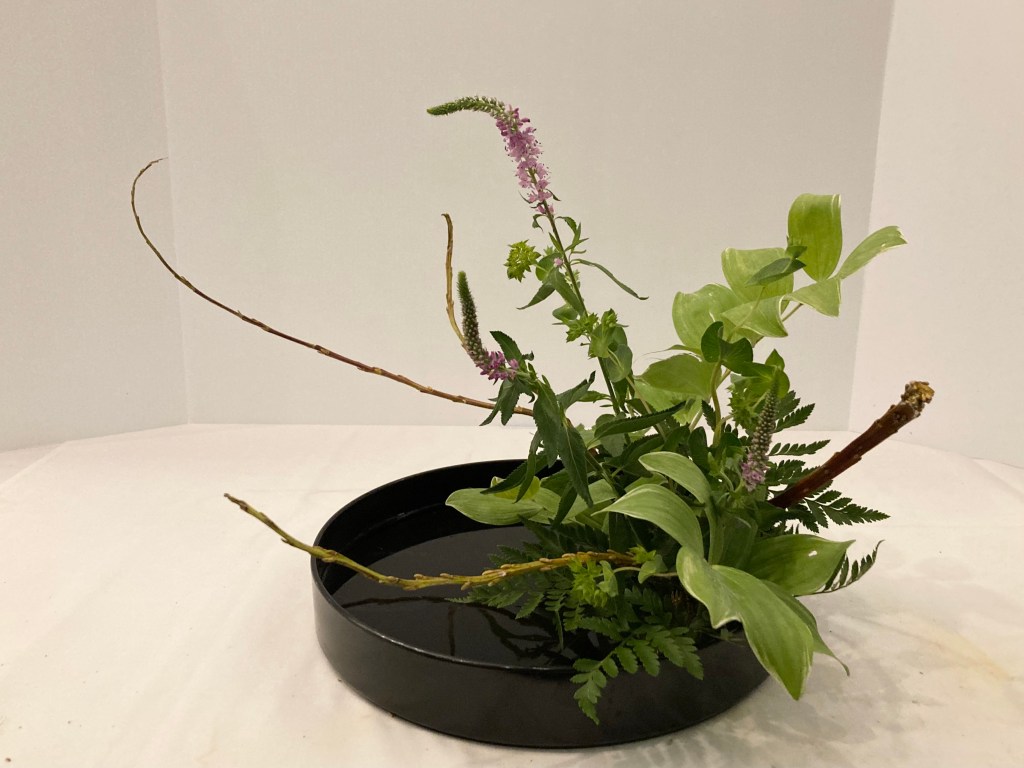
Ohara School is known for its focus on naturalistic styles and the use of seasonal materials. The school was founded by Unshin Ohara (1861-1916, pictured below). He often explored the fields and mountains and tried to develop a style of Ikebana to express the beauty of natural scenery. He also searched for ways to arrange the colorful Western flowers that had just begun to be imported into Japan at that time. The result of his efforts was Moribana, which is a style of arrangement using a shallow container and hanadome (weighted flower holder). Today, the school is led by the young Fifth Headmaster Hiroki Ohara. Ohara School’s curriculum covers traditional styles to more modern styles. To see more pictures of Ohara arrangements, please click here.




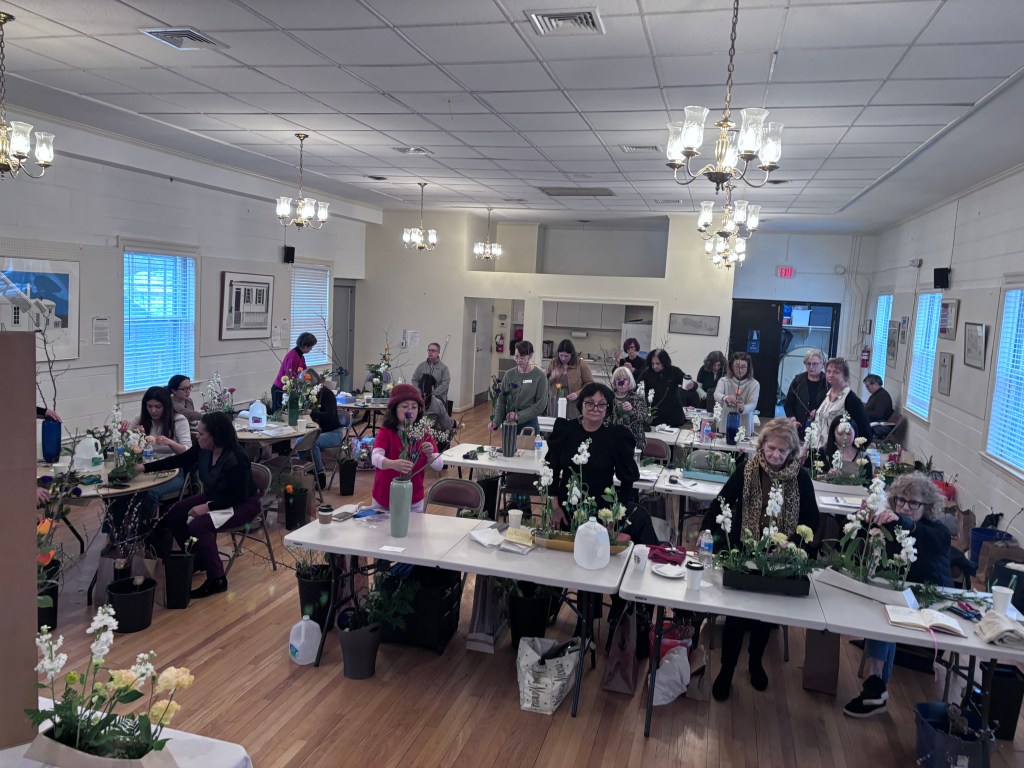
Looking for an Ikebana teacher?
Click here to meet certified Ohara teachers in our chapter
or email us at OhararyuDC@gmail.com.
 The Ohara School of Ikebana Washington, DC Chapter